Psychology: B.A./B.S.
You are fascinated by why people think the way they do, or you are intrigued by what affects their behavior. You want to help people, or you want to help processes that impact people. You like solving problems, or you like being creative. Or maybe you love all of this and more.
Psychology is the study of the mind, brain and behavior and is practiced in every conceivable setting from businesses to schools to criminal justice systems. Basically, wherever there are people, there are psychologists at work, so we invite you to explore the breadth of what is available in this field. Our interactive, engaging and practical courses incorporate the most up-to-date data and theories with hands-on research and clinical work in some incredible real-world experiences!
Clinical Psychologist/Counselor
FBI Agent/CIA Agent/Police Officer
Social Worker
ABA Therapist/Board Certified Behavior Analyst
Data Scientist
Consumer Behavior Analyst
Human Resources
Abnormal Psychology
Human Development
Creativity
Statistics
Intellectual Disability
Forensic Psychology
Neuroscience
Research Methods
This flexible degree program allows you to choose courses to suit your interests and the needs of your future career path. View the detailed degree requirements PDF to see all courses included in the program.

test%
Recent Alumni in Graduate School or Jobs

test%
of Majors Complete Original Research

test
Published Research Articles by Faculty in Last Decade

test
Local Clinical Internship Opportunities
degree options:
choose your path
Interested in how psychology intersects with other disciplines such as law, political science, communications or business? You’ll find that a B.A. in psychology is a great option, whether you plan to pursue a master’s degree or launch your career right after graduation.
Earning a B.S. in psychology will prepare you for a career in the field, as well as for medical school, occupational or physical therapy, or academia. To complete this degree pathway, you must choose a minor or second major in the Patterson School of Natural Sciences.
Students who plan to pursue a graduate degree in counseling are encouraged to pursue a B.A. in psychology and a community & family services major (clinical emphasis). This program combines the strong research and statistics skills provided in psychology with the counseling courses taught by licensed professional counselors in CFS, which is housed in the Pruet School of Christian Studies.
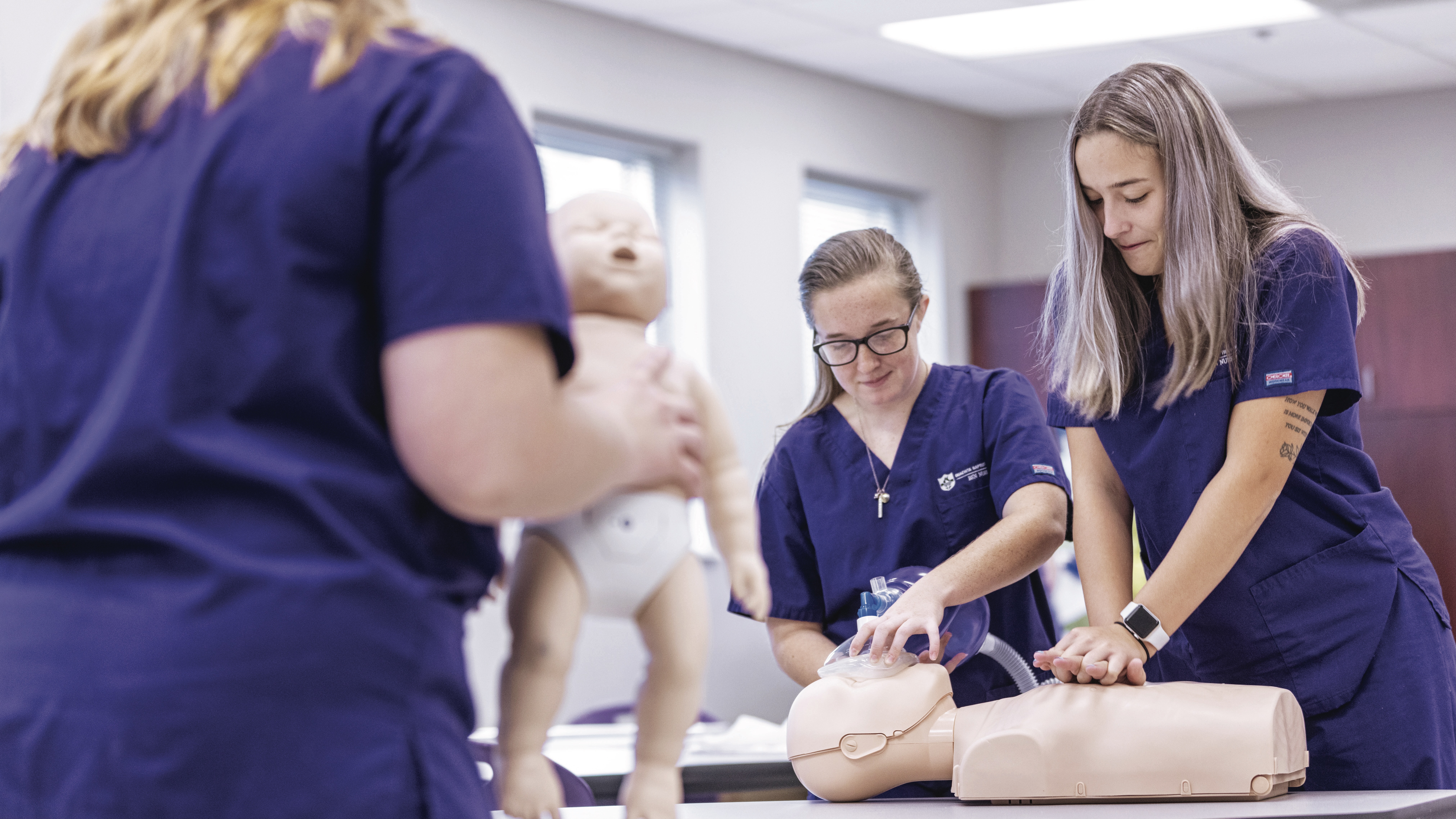
Earn dual degrees by combining your interest in psychology with focused preparation in nursing with this specialized track. Through a collaboration between the Department of Nursing in the Patterson School of Natural Sciences and the Department of Psychology, students can earn a Bachelor of Science in Nursing degree along with their B.S. in psychology to build an excellent foundation for a career in psychiatric nursing.
A psychology minor requires at least 18 hours of psychology courses.
In their words
hear from a student
"Every member of the Ouachita psych department goes far beyond the call of duty for their students. They encouraged my questions and creativity, while fostering my ability to research, strategize and think critically. Thorough writing requirements helped prepare me for grad school, and I can now verify that Ouachita’s research methods and statistics classes are leagues above average graduate-level classes in both clarity and applicability. I credit the care this department took with me for so much of the good in my life, and I apply their lessons daily. They will remain mentors and friends."
 Amy Arego
2019 graduate, currently pursuing a Master of International Affairs degree

BENEFIT FROM CONNECTED FACULTY
Our well-published faculty maintain research labs that will involve you on grant-funded research projects, several of which are collaborations with professional psychologists from around the country. They have even helped students gain exclusive access to professional research experiences or get published in peer-reviewed journals, a rare achievement at the undergraduate level. View Faculty.

TEST IT IN THE REAL WORLD
Serve as a peer mentor in Ouachita’s Autism Support Initiative for fellow college students on the autism spectrum. Apply for one of our clinical internship placements in mental health, child safety, or with adults or children with disabilities. Whichever you choose, you will have multiple opportunities to apply your classroom study in the field before you graduate.
WORKS WELL WITH OTHERS
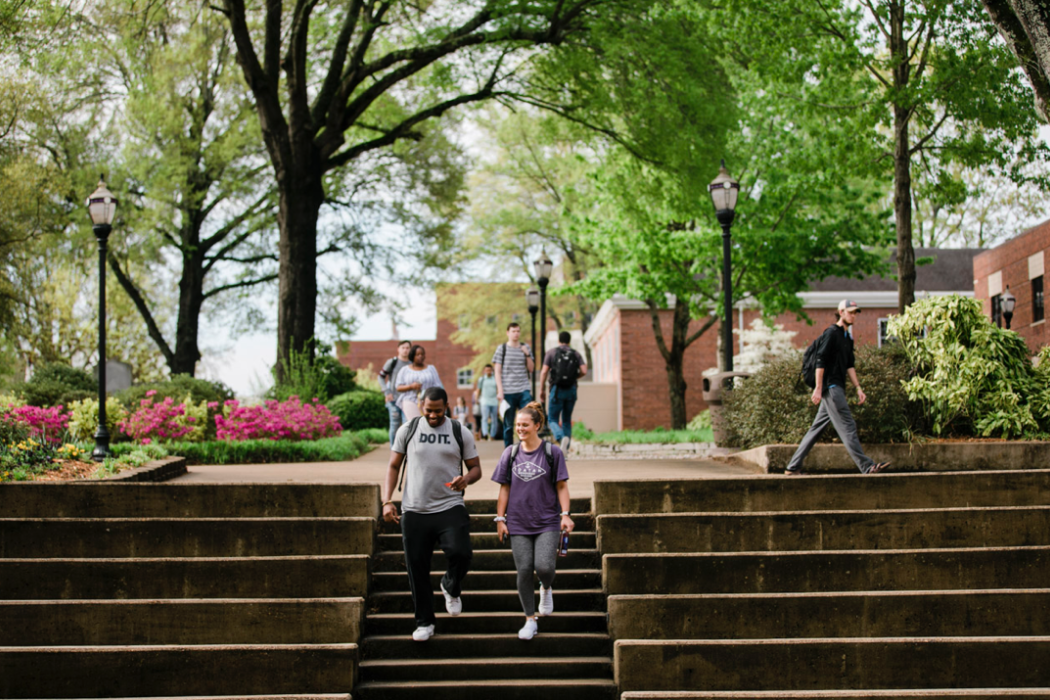
Psychology is a wonderful complement to a variety of majors – and not just in terms of degree requirements. The valuable training you will receive is recognized in almost any profession, even those that do not seem directly related. Common double majors include pre-professional studies (pre-med, OT, PT), pre-law/political science, speech pathology, Christian studies and dietetics & nutrition.




UNHEARD OF UNDERGRADUATE RESEARCH OPPORTUNITIES
As a psychology major, you will complete at least one original research project. Students have presented results from these projects at Ouachita’s annual Scholars Day, as well as at regional, national and international conferences like the Association for Psychological Science and the Arkansas Symposium for Psychology Students. Additionally, our meta-analysis class is the only one of its kind in the country for undergraduate students. These experiences will make you a highly competitive applicant for a variety of graduate programs and careers!


W.H. Sutton School of Social Sciences
The Sutton School of Social Sciences offers in-depth study in the fields of criminal justice, history, political science, psychology, public history, social justice studies and sociology. Our faculty encourage our students to become enlightened, engaged citizens who embrace an ethic of service to God and humanity.GET IN TOUCH
Have a question about Ouachita? Want more information? Shoot us a message!